
Treating the Whole Animal, Not Just the Symptom
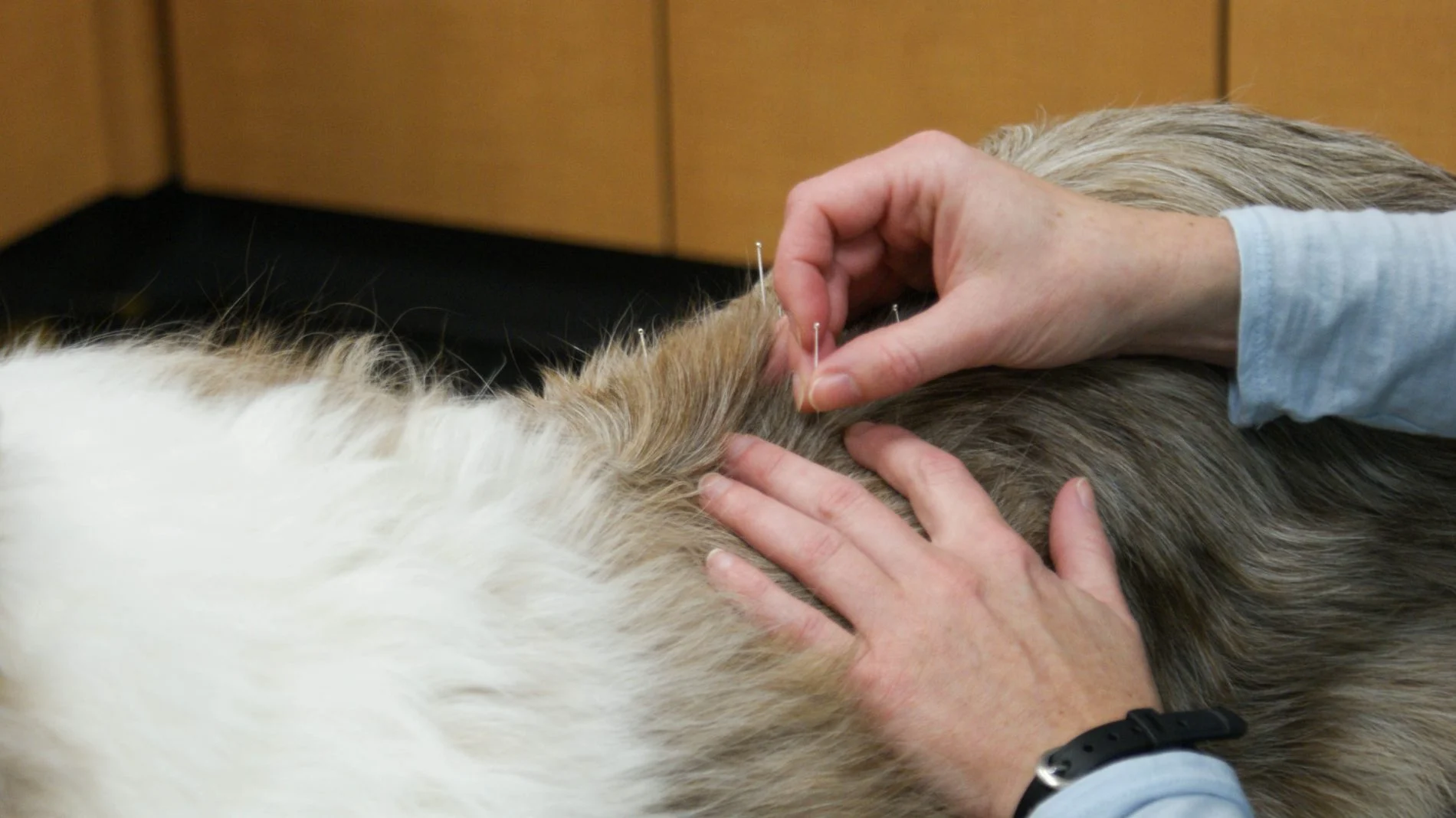 Traditional Chinese Veterinary Medicine (TCVM) has been used to care for animals for thousands of years. At The Whole Pet in Bartlett, IL, we use TCVM alongside modern Western veterinary medicine. Together they help us understand why your dog or cat is unwell, not only what the symptoms are. TCVM looks at the balance of energy, organ systems and personality in each patient. That view lets us build care plans that support healing, comfort and long-term wellness for pets of all ages.
What Is Traditional Chinese Veterinary Medicine?
TCVM is a complete medical system built on careful observation of how the body works as a connected whole. A TCVM exam does not treat an itchy skin flare-up, a sore back or a sensitive stomach as a separate problem. It looks for the pattern of imbalance behind it. Your veterinarian looks at your pet’s tongue, pulse, coat, behavior, appetite, sleep and response to heat or cold. That information becomes a TCVM diagnosis, which guides treatment.
TCVM traditionally includes four main branches: acupuncture, herbal medicine, food therapy and Tui-na (a form of medical massage). At The Whole Pet, TCVM is part of our integrative general practice. That means Eastern and Western tools are used together, so your pet gets the benefit of both.
Yin and Yang: The Balance of Life
Yin-Yang theory holds that everything is made of two opposite but complementary forces. Yin is dark, cool and sinking. Yang is light, warm and rising. In the familiar Tai Ji symbol, Yin is black and Yang is white, and each flows into the other. The two are never fixed. As one rises, the other declines. A healthy animal keeps these forces in a constant, shifting balance. Illness often shows up when one side becomes too strong or too weak.
Qi: The Body’s Vital Energy
Qi is often translated as “energy,” though no single Western word fully captures it. In TCVM, Qi is the working activity of each organ and the force that keeps the body alive and functioning. Qi moves the blood, and the blood carries Qi. When Qi is deficient or stuck, pets may show signs such as low energy, pain, stiffness or digestive upset.
Zang-Fu: The Organ Systems
Zang-Fu is the TCVM term for the internal organs. It is similar to the Western view of organ systems, but it also describes how organs relate to emotion, energy and the outside world. The Zang organs are solid Yin organs that work deep inside the body and make and store substances such as Qi and blood. The Fu organs are hollow Yang organs that receive and digest food and process and remove waste. Each Zang organ pairs with a Fu organ, such as the Yin Liver with the Yang Gall Bladder. There are six pairings, or twelve organs in all.
The Five Elements
The Five Elements theory describes five basic constitution types: Wood, Fire, Earth, Metal and Water. Each type is linked to certain personality traits, behaviors, emotions and outside influences. A confident, driven dog may lean toward Wood, while a calm, steady cat may lean toward Earth. In a healthy animal, Qi is plentiful in all five elements and flows smoothly between them in set patterns. When we find where that cycle has broken down, we can shape a treatment plan that fits your pet’s nature.
Meridians: Pathways for Qi and Blood
Meridians are channels through which Qi and blood circulate. They run across the surface of the body but connect to the Zang-Fu organs inside. This is why a needle placed in a paw can affect an internal organ or ease pain in a distant spot. Think of a light switch on the wall that powers a bulb across the room. There are twelve Regular Meridians, one for each Zang-Fu organ. Meridian theory is the foundation of veterinary acupuncture, one of the most common TCVM treatments we provide.
The TCVM Circadian Rhythm
The twelve Regular Meridians link together in an endless loop, and Qi and blood flow through them in a set order over 24 hours. Each meridian has a two-hour window when its Qi is strongest, which is called the TCVM Circadian Rhythm. For example, the Liver meridian peaks between 1am and 3am. It is no coincidence that many seizure calls come in during these early morning hours. Patterns like this help us connect when symptoms appear with the organ systems that may be out of balance.
The Eight Principles
The Eight Principles give TCVM practitioners a way to describe a disease more precisely. They use four pairs of traits: Yin vs. Yang, Interior vs. Exterior, Cold vs. Hot, and Deficient vs. Excess. These terms describe the nature and strength of the problem and how far it has progressed. For instance, an older dog with cold, stiff joints that worsen in winter shows a different pattern than a young dog with hot, red, inflamed skin. Each one calls for a different treatment approach.
How TCVM Can Help Your Pet
TCVM can support pets with a wide range of short-term and long-term health concerns. Pet owners in Bartlett and nearby communities often explore TCVM for:
- Arthritis, joint stiffness and back or neck pain
- Recovery after injury or surgery
- Neurologic concerns, including seizures and weakness
- Chronic digestive problems such as vomiting, diarrhea or poor appetite
- Skin allergies and recurring ear or skin issues
- Anxiety and behavior changes
- Support for senior pets and pets with chronic illness
Food therapy is a key part of TCVM. Foods have warming, cooling or neutral qualities that can help bring the body back into balance. Our nutritional counseling service can help put these ideas into a practical diet plan for your dog or cat.
Traditional Chinese Veterinary Medicine FAQs
Is Traditional Chinese Veterinary Medicine safe for dogs and cats?
Yes. When performed by a trained veterinarian, TCVM treatments such as acupuncture, food therapy and medical massage are gentle and well tolerated by most dogs and cats. We review your pet’s full health history first and pair TCVM with Western diagnostics when needed.
Does TCVM replace conventional veterinary care?
No. At The Whole Pet, TCVM works alongside conventional medicine rather than replacing it. Blood work, imaging, medications and surgery are still used when your pet needs them, and TCVM adds another layer of support for healing and comfort.
What happens during a TCVM exam?
Your veterinarian will ask detailed questions about your pet’s history, habits, personality and symptoms. They will also check the tongue, pulse, coat and body. These findings point to a TCVM pattern, which guides a treatment plan tailored to your pet.
What conditions can TCVM help with?
TCVM is often used for arthritis, back pain, injury recovery, neurologic problems, digestive issues, skin allergies, anxiety and the care of senior or chronically ill pets. Your veterinarian will let you know whether TCVM is a good fit for your pet’s needs.
How many TCVM treatments will my pet need?
It depends on the condition and how long it has been present. Short-term problems may improve within a few visits, while chronic conditions often benefit from a series of treatments followed by maintenance sessions. We will review progress at each visit and adjust the plan.
Will my pet be comfortable during treatment?
Most pets relax during TCVM treatments, and many even fall asleep during acupuncture. We work at your pet’s pace and use a calm, gentle approach to keep the visit as stress-free as possible.
How do I schedule a TCVM appointment in Bartlett, IL?
Call The Whole Pet at (630) 289-2288 or request an appointment online. If you are a new client, please bring any past medical records so we can get a full picture of your pet’s health.
Help Your Pet Find Balance Again
If your dog or cat is dealing with pain, chronic illness or symptoms that have not fully improved with conventional care alone, TCVM may help. Call The Whole Pet in Bartlett, IL at (630) 289-2288 or request a visit online to learn whether Traditional Chinese Veterinary Medicine is right for your pet.